




When a Memorial Villages homeowner called at 11 p.m. about their Sub-Zero displaying 52 degrees, they weren’t worried about the repair cost. They were worried about the $800 worth of groceries inside and the dinner party scheduled for tomorrow.
This is the reality of owning a Sub-Zero refrigerator—these appliances don’t just store food, they’re engineered to last 20+ years and represent investments of $10,000 to $25,000. When something goes wrong, the stakes extend beyond repair bills.
Understanding what actually fails in these precision machines matters because Sub-Zero units aren’t typical refrigerators. Their dual-compressor systems, sealed refrigeration components, and sophisticated controls require specialized knowledge that most repair services simply don’t possess.
Why Sub-Zero Problems Differ from Standard Refrigerators
Sub-Zero pioneered dual refrigeration in 1945—separate cooling systems for refrigerator and freezer compartments that prevent cross-contamination of air and moisture. This technology preserves food quality better than single-compressor systems, but it adds complexity.
Each compartment has its own compressor, evaporator, and temperature controls. When one system malfunctions, diagnosing the issue requires understanding how these integrated systems interact. A temperature problem in the refrigerator compartment might actually originate in the freezer’s defrost cycle.
Sub-Zero’s comprehensive warranty structure—two years full coverage, five years on sealed systems, twelve years on compressor components—reflects the manufacturer’s confidence in build quality. But it also signals which components typically require professional service.
The Eight Problems That Actually Bring Sub-Zeros Down
Temperature Instability: The Most Common Complaint
Temperature fluctuations appear in multiple forms: one section too warm, another too cold, or constant cycling between extremes. The dual-compressor system means twice the potential failure points for cooling issues.
Dirty condenser coils rank as the primary cause. These coils, typically mounted above the unit in built-in models, require cleaning every six months—more frequently in homes with pets. Accumulated dust forces compressors to work harder, leading to temperature inconsistencies and premature component failure.
Faulty thermostats, sensor malfunctions, or obstructed air vents compound cooling problems. Sub-Zero units require precise airflow patterns internally—overcrowding shelves disrupts circulation and creates warm spots.
Ice Maker Failures: Beyond Simple Water Lines
Ice maker problems extend beyond “it stopped working.” Slow ice production, small or misshapen cubes, and complete shutdowns each point to different underlying issues.
Water inlet valves fail over time, restricting flow. Water filters require replacement every six months in most climates—longer in areas with softer water, shorter in regions with hard water like Houston and Dallas. Clogged filters reduce water pressure, affecting ice quality and production speed.
The ice maker module itself contains mechanical components that wear out. Sub-Zero uses sophisticated ice-making systems with multiple moving parts—each a potential failure point requiring factory-trained diagnosis.
Water Leaks: Finding the Source Matters
Water pooling beneath a Sub-Zero typically originates from one of three sources: defrost drains, water lines, or door seals.
The defrost drain removes condensation during cooling cycles. When it clogs with food particles or freezes, water backs up and eventually escapes the unit. Clearing the drain requires accessing internal components—a straightforward task for trained technicians, risky for homeowners unfamiliar with the system.
Cracked water lines or loose connections at the inlet valve create visible leaks. These issues demand immediate attention—continued leaking damages flooring and cabinetry while potentially affecting electrical components.
Excessive Frost: When Defrost Systems Fail
Frost accumulation beyond normal patterns indicates defrost system problems. The defrost heater, defrost thermostat, or defrost timer might be malfunctioning.
Sub-Zero’s sealed system requires these components to work in precise sequence. If the defrost cycle doesn’t complete properly, frost builds progressively until it affects cooling efficiency and storage capacity.
Compromised door seals allow warm, humid air inside—another frost contributor. The seal test is simple: close a dollar bill in the door and try pulling it out. It should resist. If it slides out easily, the seal needs replacement.
Compressor Noise: Normal Operation vs. Warning Signs
Sub-Zero compressors make sounds during normal operation—a low hum during cooling cycles. Abnormal noises signal problems.
Grinding or clicking sounds often indicate failing compressor motors. Buzzing might point to electrical issues or condenser fan problems. Loud operation after cleaning condenser coils suggests internal compressor damage requiring immediate service.
The dual-compressor design means noise can originate from either unit. Localizing the sound helps technicians diagnose issues faster.
Vacuum Condenser Light: Your Early Warning System
When this indicator activates, the refrigerator is working harder than designed to maintain temperatures—a warning that demands attention.
First response: clean condenser coils thoroughly. If the light persists, the condenser fan motor might be failing, or small refrigerant leaks could be developing in the evaporator coils.
This light shouldn’t be ignored. It signals the compressor is under stress, which accelerates wear and increases failure risk.
Door Seal Degradation: The Subtle Energy Thief
Worn door gaskets compromise efficiency and temperature stability. Unlike dramatic failures, seal degradation happens gradually—making it easy to overlook until problems become obvious.
Visual inspection reveals cracks, tears, or hardened rubber. The paper test mentioned earlier provides a functional check. Replace failing seals promptly—the cost is minimal compared to energy waste and potential food loss.
Control Panel Failures: When Technology Malfunctions
Modern Sub-Zero units feature digital controls managing multiple functions. Control panel problems manifest as unresponsive buttons, error codes, or incorrect temperature readings.
Try the five-minute reset: unplug the unit, wait, then reconnect power. If problems persist, the electronic control board likely needs replacement—a repair requiring factory-trained technicians with access to proprietary diagnostic software.
Preventative Maintenance That Actually Works
Sub-Zero units designed for 20+ year lifespans achieve this longevity through consistent maintenance, not luck.
Condenser coil cleaning twice yearly prevents the majority of operational issues. Built-in models make this simpler—coils mount above the unit and are easily accessible. Freestanding models require pulling the unit forward to access rear-mounted coils.
Door seal inspection quarterly catches degradation early. Clean seals with mild soap and water—harsh chemicals damage rubber compounds.
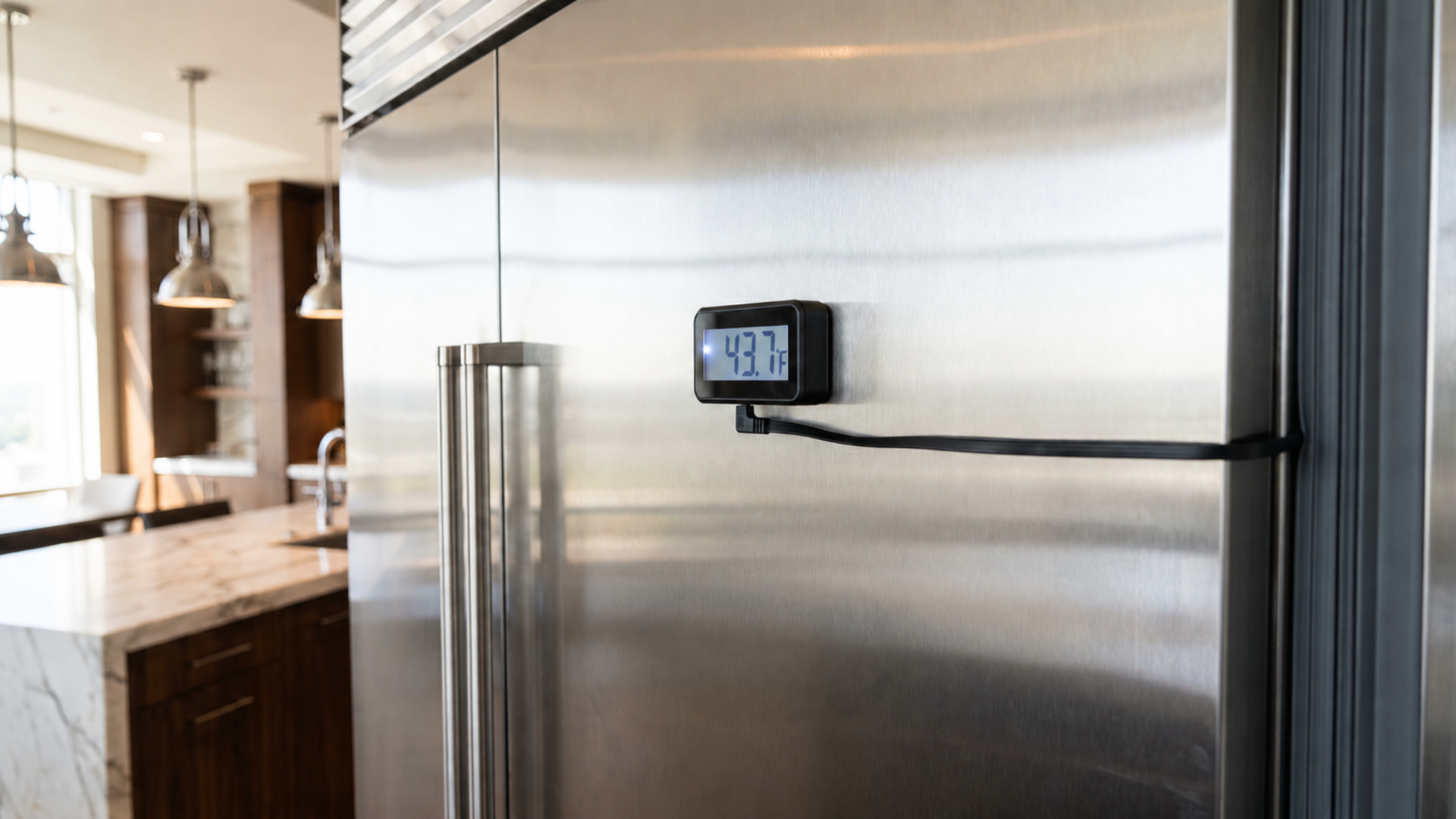
Temperature monitoring ensures proper operation. Refrigerator compartments should maintain 37°F, freezers 0°F. Significant deviations signal developing problems.
Water filter replacement every six months maintains ice quality and protects the ice maker mechanism from mineral buildup.
When Professional Service Becomes Non-Negotiable
DIY repairs void warranties and risk further damage to sealed systems. Sub-Zero’s comprehensive warranty coverage specifically requires factory-certified service to remain valid.
Sealed system repairs—anything involving compressors, evaporators, condensers, or refrigerant—demand specialized tools, EPA certifications, and manufacturer training. Electrical control board issues, sensor calibration, and diagnostic trouble codes require proprietary software.
Uptown Appliance Repair’s factory-certified technicians carry these credentials and tools. Our 2-year warranty on parts and labor doubles the industry standard, providing the extended protection Sub-Zero owners expect.
Wine Cellar Cooling: Specialized Sub-Zero Service
Sub-Zero’s wine preservation units require additional expertise. Temperature and humidity precision matter more with wine storage—a few degrees can affect aging and preservation.
Houston and Dallas wine collectors face specific challenges. Summer temperatures exceeding 95°F stress cooling systems. Regular maintenance prevents system overload that could destroy valuable collections.
The Bottom Line on Sub-Zero Service
Sub-Zero refrigerators justify their premium pricing through engineering quality and longevity. But that longevity depends on proper maintenance and expert service when problems arise.
Generic appliance repair services lack the specialized knowledge, tools, and genuine OEM parts Sub-Zero systems require. Factory certification isn’t marketing—it’s the difference between repairs that last and repairs that fail.
Sub-Zero acting up? Factory-certified service from Uptown Appliance Repair: (281) 758-9978.