





The email from your property manager arrives at 3 AM: “Wine cellar temperature reading 62°F—need immediate attention.” Or you wake up to find yesterday’s groceries spoiled in your $18,000 Sub-Zero refrigerator. When luxury appliances fail, the consequences extend beyond inconvenience to potentially thousands in lost inventory and immediate disruption.
Sub-Zero refrigerators are designed to last 20 years with proper maintenance—substantially longer than standard refrigerators’ 13-year average lifespan. Yet even premium engineering encounters issues. The distinctive dual-compressor system that makes Sub-Zero units exceptional also creates unique troubleshooting challenges that general appliance technicians often misdiagnose.
Before a service call, several diagnostic steps can identify simple fixes versus repairs requiring factory-certified expertise. Feel free to try these recommendations before calling the experts (we are ready to help you any time).
The True Cost of Delayed Diagnosis
Temperature inconsistencies don’t resolve themselves. A Sub-Zero struggling to maintain proper cooling temperatures works harder, consuming excess energy while accelerating component wear. What begins as a minor airflow issue can escalate into compressor failure—transforming a $200 repair into a $1,500 sealed system replacement.
For wine collectors, the stakes are even higher. A climate control failure can destroy vintages worth $50,000-500,000 within hours. Restaurant owners face similar urgency—walk-in cooler failures cost the foodservice industry billions annually in spoiled inventory and lost revenue.
The economics favor proactive troubleshooting. Understanding which problems you can address versus issues requiring professional intervention prevents both unnecessary service calls and catastrophic equipment failure.
Start With Power and Temperature Verification
The most overlooked culprits in cooling failures are also the simplest to check.
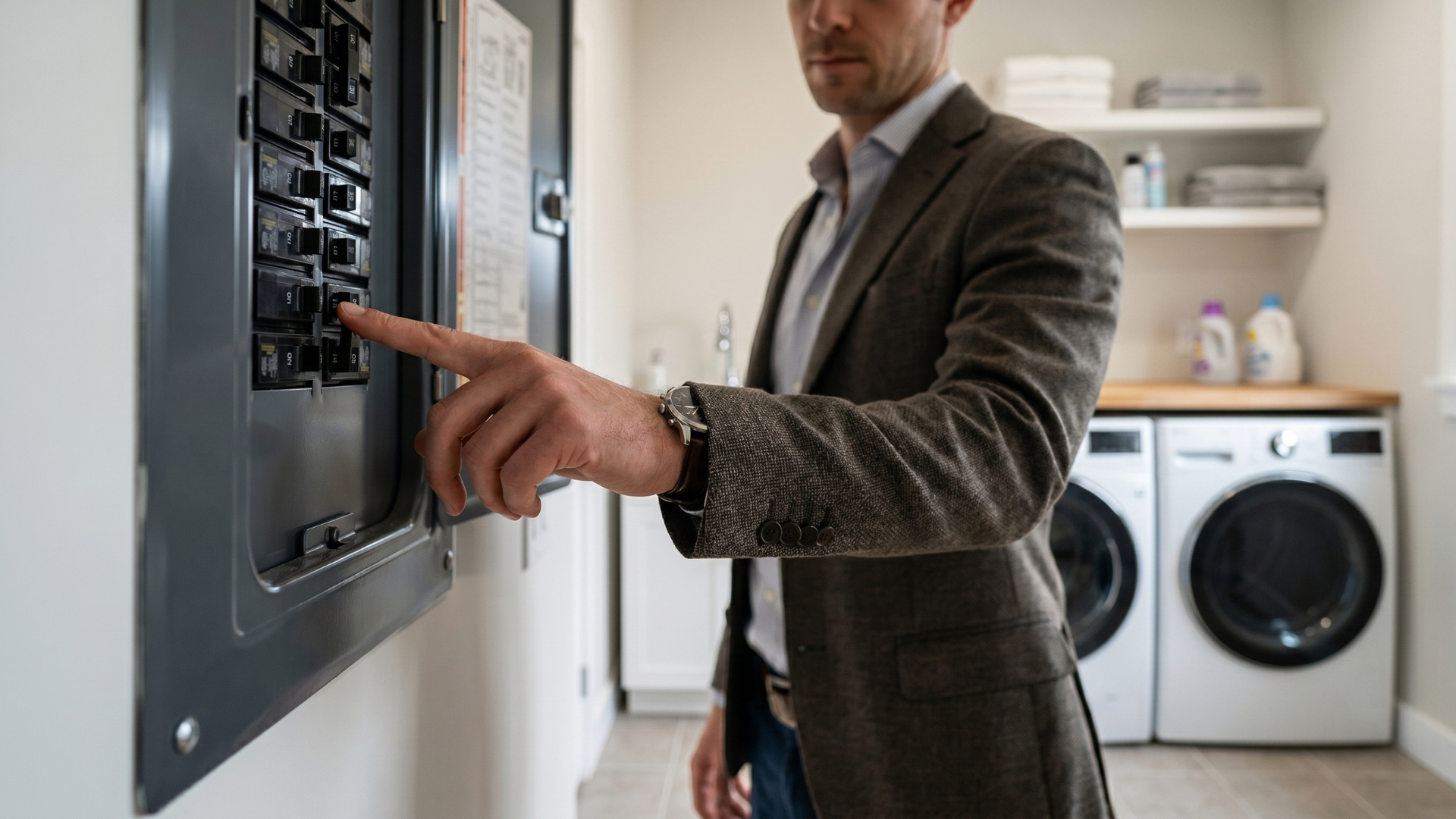
Confirm the power supply. Verify your Sub-Zero is securely plugged in and examine the circuit breaker for tripped switches. Built-in units are often hardwired, requiring panel inspection rather than outlet checking. According to troubleshooting data, approximately 15% of “cooling failures” resolve with simple power resets.
Check temperature settings. Sub-Zero recommends 34°F-38°F for fresh food compartments and 0°F-5°F for freezers. Accidental adjustments—particularly in households with children—account for many perceived cooling problems. After any temperature change, allow 24 hours for stabilization before concluding the unit isn’t responding.
Perform a hard reset. Power cycling often clears electronic glitches affecting temperature control. Turn off the unit using the control panel (or circuit breaker for hardwired installations), wait five minutes, then restore power. Monitor temperatures for 12-24 hours to confirm stable operation.
The Door Seal Test: A $30 Fix Versus $200 Service Call
Compromised door gaskets cause more cooling problems than any other single factor. Even luxury appliances suffer seal degradation over time, allowing warm air infiltration that forces the compressor to run continuously.
The dollar bill test provides immediate diagnosis: close a dollar bill in the door and try pulling it out. The bill should resist removal with firm tension. If it slides out easily, the seal has failed.
Inspect gaskets visually for:
- Cracks or tears in the rubber
- Hardening or loss of flexibility
- Visible gaps when the door is closed
- Food debris is preventing proper sealing
Clean gaskets monthly with warm soapy water to prevent buildup that compromises sealing. However, damaged gaskets require replacement—a relatively straightforward repair for factory-certified technicians who stock authentic Sub-Zero components.
Airflow: The Invisible Performance Killer
Sub-Zero’s dual-compressor system depends on unobstructed air circulation. Blocking internal vents—even partially—creates dead zones where cooling fails.
Check for overcrowding. Tightly packed shelves prevent cold air movement between compartments. Reorganize contents to maintain clear paths around vents, typically located at the back of fresh food sections and along freezer walls.
Inspect the evaporator fan. Located in the freezer compartment, this fan circulates air throughout the unit. Open the freezer door and listen for fan operation. Silence indicates motor failure—a problem requiring professional repair. A working fan should produce steady, quiet airflow.
Verify door closure. Magnetic seals keep doors closed, but misaligned hinges prevent proper seating. Check that doors close completely without force and that the unit sits level on the floor. Uneven floors often cause persistent door alignment problems.
Condenser Coil Maintenance: The 6-Month Rule
Dirty condenser coils are the leading preventable cause of Sub-Zero cooling failures. Dust accumulation acts as insulation, preventing heat dissipation and forcing the compressor to work harder while achieving poorer results.
Sub-Zero units typically mount condenser coils on top of the refrigerator behind the front grille, making them more accessible than bottom-mounted coils in conventional refrigerators. This design advantage only helps if homeowners actually perform maintenance.
Cleaning procedure:
- Unplug the unit or turn off the circuit breaker
- Remove the front grille to access coils
- Use a soft brush or vacuum with brush attachment to remove dust
- Clean coils from all angles to ensure complete removal
- Replace the grille and restore power
Clean coils every six months as a baseline, increasing to quarterly intervals for homes with pets. The 15-minute maintenance task prevents the majority of compressor strain issues and extends appliance life substantially.
When the Vacuum Condenser Light Activates
Sub-Zero’s vacuum condenser indicator is a warning system, not a crisis alert—but it demands immediate attention.
The light activates when the compressor has run continuously for 24 hours, indicating the unit is struggling to maintain temperature. This extended operation damages the compressor while consuming excessive energy.
First response: Clean the condenser coils thoroughly. In most cases, accumulated dust causes the overwork condition. After cleaning, the light should deactivate within 24 hours as normal cycling resumes.
If the light persists: The evaporator coil may have developed refrigerant leaks—a sealed system issue requiring professional repair. Do not attempt DIY refrigerant work; sealed system repairs require EPA certification, specialized equipment, and precise refrigerant charging procedures.
Understanding Sub-Zero’s Dual Compressor System
Unlike conventional refrigerators with a single compressor, Sub-Zero units use separate compressors for the refrigerator and freezer compartments. This engineering provides independent temperature control and prevents odor transfer between sections—but it also creates unique diagnostic challenges.
One section is cooling, the other is warm: This strongly indicates a failed compressor in the non-cooling section. The working compartment confirms power, controls, and general system function, isolating the problem to the specific compressor.
Both sections are failing: Check airflow obstructions, door seals, and condenser coils before suspecting dual compressor failure. Multiple simultaneous component failures are rare—more likely is a single cause affecting overall system performance.
Temperature fluctuations: Brief temperature increases after adding room-temperature items are normal. Persistent fluctuations despite stable conditions suggest control board problems or failing temperature sensors—issues requiring diagnostic equipment beyond typical homeowner capabilities.
Defrost System Failures: The Silent Cooling Killer
Excessive frost buildup in the freezer isn’t merely cosmetic—it’s a symptom of defrost system failure that progressively degrades cooling performance.
The defrost cycle prevents ice accumulation on evaporator coils. When this system fails, frost builds until it blocks airflow completely. The freezer may still reach the proper temperature, but the refrigerator section warms as circulation ceases.
Temporary solution: Power off the unit and allow complete defrosting—typically 24 hours with doors open. This restores immediate cooling but doesn’t address the underlying defrost timer, heater, or thermostat failure.
Permanent fix: Defrost system repairs require component testing with multimeters and an understanding of the heating cycle. This falls squarely in professional repair territory, particularly given the cost of misdiagnosis. Uptown Appliance Repair’s factory-certified technicians carry diagnostic equipment and genuine replacement components for same-day resolution.
When DIY Ends and Professional Service Begins
Certain symptoms demand immediate professional attention, bypassing troubleshooting attempts:
Refrigerant leaks: Hissing sounds, oil spots around connections, or warm cooling combined with a continuously running compressor indicate sealed system problems requiring EPA-certified technicians.
Electrical failures: Burning odors, tripped breakers when the unit runs, or complete power loss despite confirmed electrical supply suggest wiring problems or control board failure.
Compressor noise: While some operational sound is normal, loud knocking, grinding, or clicking indicates mechanical failure. Running a failing compressor causes additional damage and increases repair costs.
Water leaks: Beyond simple defrost drain clogs, water on the floor suggests failed water inlet valves, cracked drain pans, or damaged water lines requiring immediate attention to prevent floor damage.
The Factory Certification Difference
General appliance technicians receive basic refrigeration training. Sub-Zero factory certification requires brand-specific education on the dual-compressor system, sealed refrigeration fundamentals, electronic controls, and the nuanced diagnostics that distinguish Sub-Zero units from conventional refrigerators.
Uptown Appliance Repair’s technicians undergo continuous manufacturer training, maintaining certifications across Sub-Zero, Wolf, Viking, and Miele product lines. This specialized knowledge accelerates diagnosis while ensuring repairs meet manufacturer specifications.
Genuine OEM parts matter. Aftermarket components may physically fit but fail to deliver the precision engineering Sub-Zero demands. Using non-OEM parts typically voids manufacturer warranties while delivering inferior performance—false economy that costs more long-term.
The 2-year warranty advantage. Standard appliance repairs carry 90-day to one-year warranties. Uptown’s exclusive 2-year warranty on parts and labor doubles industry standards, reflecting genuine confidence in repair quality. For luxury appliance owners, this extended protection eliminates the frustration and expense of repeat service calls for the same issue.
Wine Cellar Cooling: Specialized Expertise Required
Wine collectors face unique challenges when climate control fails. Texas’s wine industry generates $20 billion annually, and serious collectors throughout Houston and Dallas maintain cellars requiring precise temperature and humidity control.
Standard refrigeration technicians avoid wine cellar work—the systems are complex, the stakes are high, and specialized knowledge is essential. Uptown Appliance Repair specializes in wine storage systems, including EuroCave, CellarPro, Breezaire, and WhisperKool units, providing emergency response when climate control failures threaten valuable collections.
Wine cellar service requires understanding:
- Precise humidity control (50-70% for optimal cork preservation)
- Temperature stability (±2°F maximum fluctuation)
- Vibration minimization to prevent sediment disturbance
- Emergency protocols to protect collections during repairs
Preventative Maintenance: The $150 Investment That Saves Thousands
Annual professional maintenance costs $150-300, depending on unit size and configuration. The investment prevents the majority of major failures while extending appliance life substantially.
Comprehensive maintenance programs include:
- Deep cleaning of condenser and evaporator coils
- Filter replacement and water system inspection
- Door seal conditioning and adjustment
- Temperature calibration verification
- Ice maker sanitization and function testing
- Comprehensive performance diagnostics
For commercial applications—restaurants, hotels, property management portfolios—preventative maintenance isn’t optional. Equipment downtime costs far exceed service contracts, making scheduled maintenance basic business sense.
Serving Houston and Dallas Luxury Markets
Uptown Appliance Repair serves affluent neighborhoods where Sub-Zero installations are standard rather than exceptional:
Houston: River Oaks, Memorial Villages, Highland Village, The Galleria, West University, Bellaire, The Woodlands, Med Center, Rice Village
Dallas: Highland Park, University Park, Preston Hollow, Uptown, Lake Highlands, North Dallas, Plano
This geographic focus ensures rapid response times—typically same-day service for urgent cooling failures affecting wine cellars, restaurant walk-ins, or residential refrigeration critical to household function.
The Bottom Line on Sub-Zero Cooling Problems
Most Sub-Zero cooling issues fall into two categories: simple maintenance problems homeowners can address, or complex component failures requiring factory-certified expertise.
Start with the fundamentals—verify power, check temperature settings, inspect door seals, ensure proper airflow, and clean condenser coils. These steps resolve approximately 40% of cooling complaints without professional intervention.
When DIY troubleshooting fails, choosing the right repair service matters enormously. Factory certification, genuine OEM parts, extended warranties, and specialized knowledge in luxury appliances distinguish professional service from expensive experiments.
Your Sub-Zero represents a substantial investment in both dollars and home functionality. Protecting that investment requires appropriate expertise when cooling problems emerge.
Schedule same-day service: (281) 758-9978
Uptown Appliance Repair provides factory-certified Sub-Zero, Wolf, Viking, and luxury appliance repair throughout Houston and Dallas. Same-day service available. 2-year warranty on all repairs. BBB accredited since 2014.