




After a major Texas storm, the most expensive mistakes happen in the first three days — not during the event. Homeowners plug appliances back in too soon, miss the mold window, or throw out food that was still safe while keeping food that wasn’t. A premium kitchen with six figures of appliances deserves a sequence, not a guess.
A 72 hour post storm appliance inspection Texas owners run after a major event works on three clocks: the food-safety clock (hours), the mold clock (24 to 48 hours), and the inspect-before-restore clock that governs anything that got wet. Run them in order and you protect both your appliances and your safety. This walkthrough lays out each clock, what to check, and when to call a professional — using federal guidance, not guesswork.
What is the 72 hour post storm appliance inspection Texas owners should run?
The 72-hour rule is a practical framework built from three federal timelines that all converge in the days after a storm: food becomes unsafe in a refrigerator after about 4 hours without power, wet materials begin growing mold within 24 to 48 hours per the EPA, and any flooded appliance must be inspected before it is restored to power. Together they define a roughly three-day window in which the right actions prevent the worst outcomes.
Hours 0 to 6: what should I check first?
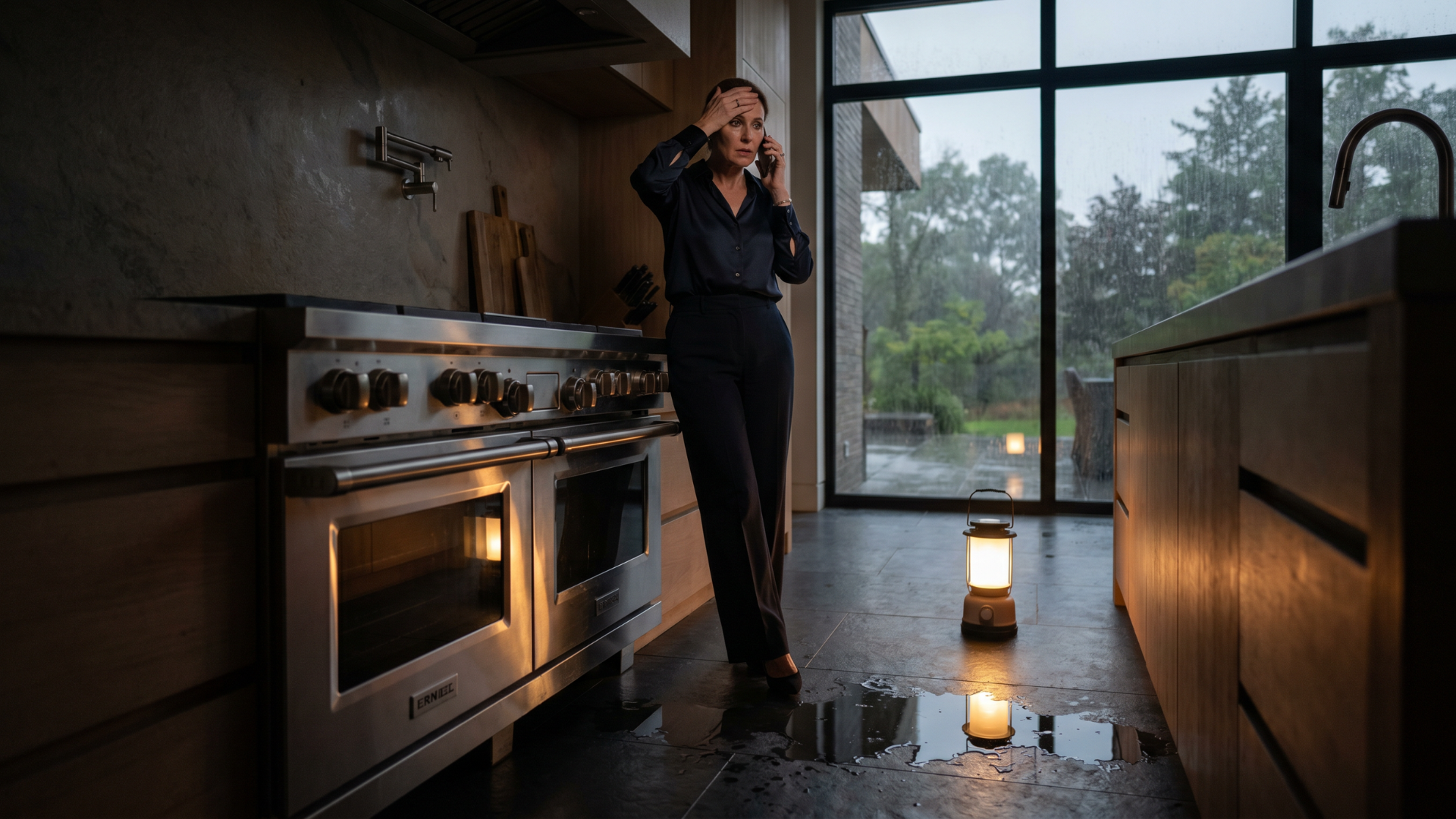
Safety and food come first, in that order. Before anything, if there is standing water near appliances, shut off power at the panel and stay out of the water — FEMA and CPSC guidance warn that wet electrical components pose shock and fire hazards.
- Keep refrigerator and freezer doors closed. Per USDA, a refrigerator holds safe temperatures about 4 hours; a full freezer about 48 hours (24 if half full).
- If power will be out longer, move perishables to a cooler with ice to hold them at 40°F or below.
- Do not plug in or switch on any appliance that was touched by floodwater.
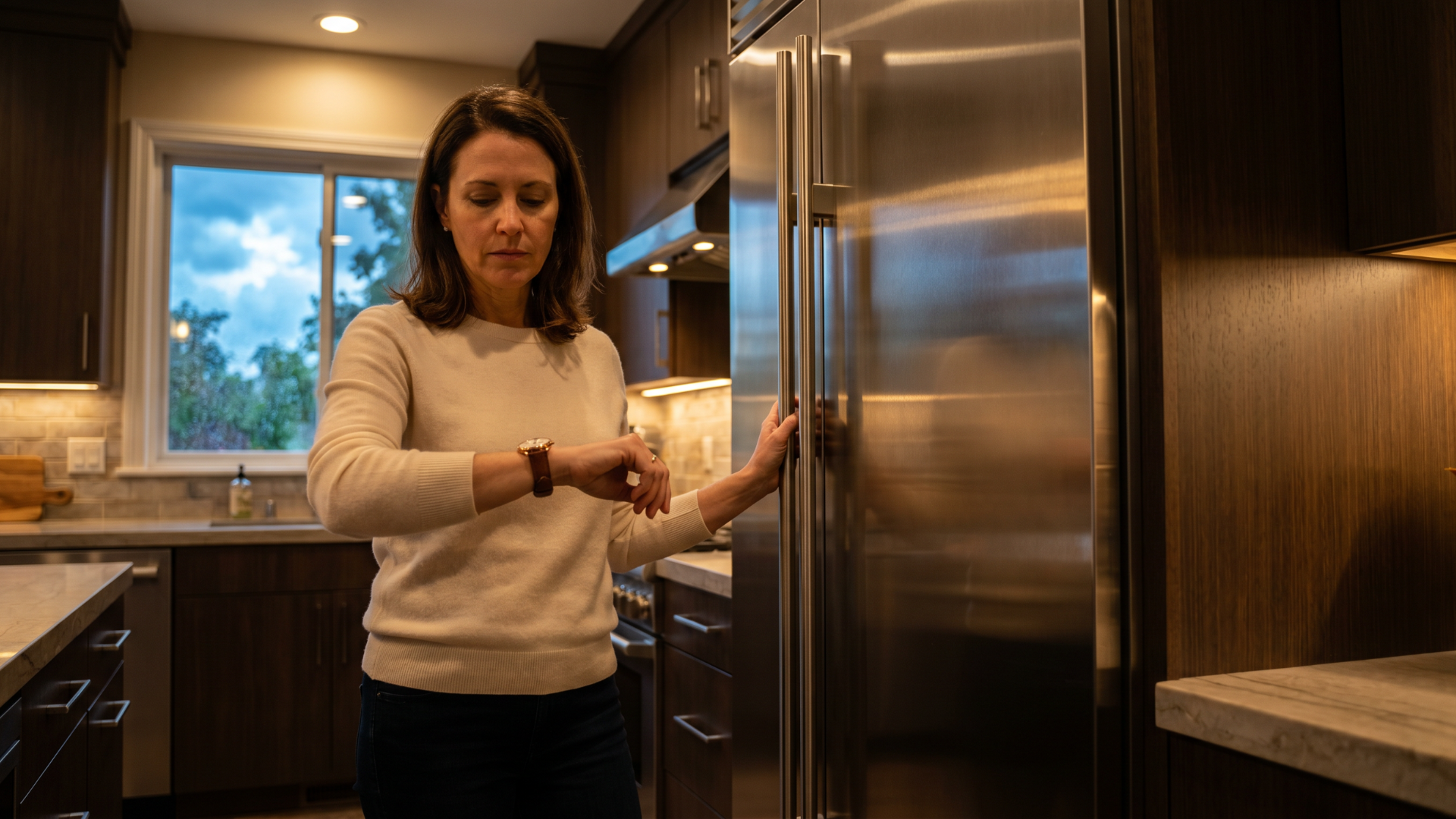
- Note the time the outage began — the food-safety clock starts there.
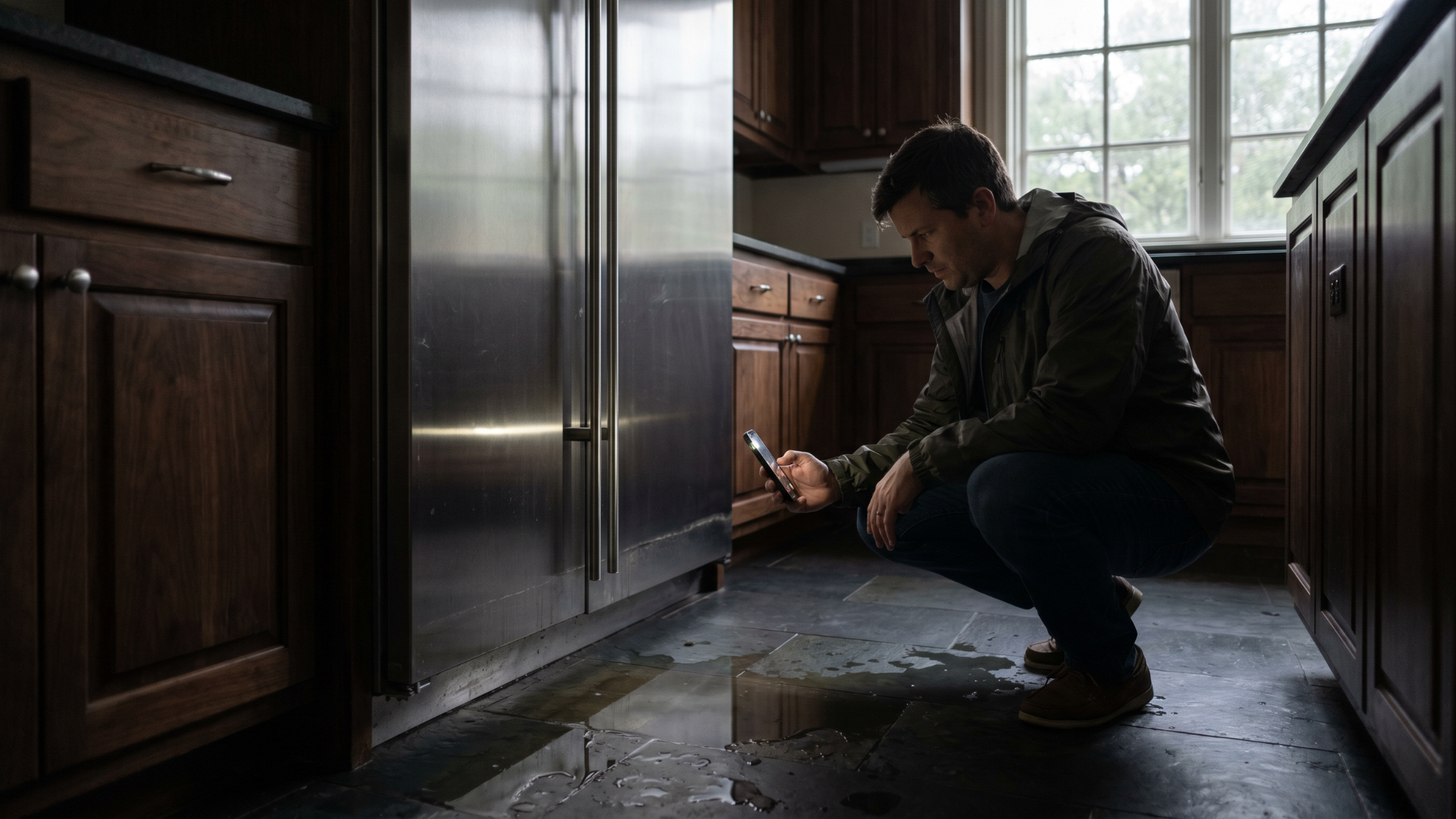
- Photograph any water intrusion and standing water for your insurer before cleanup.
Hours 6 to 48: when does the mold clock matter most?
This is the window that quietly causes the most lasting damage. The EPA states that if wet materials are dried within 24 to 48 hours, in most cases mold will not grow — and after that, the odds climb. For appliances, that means drying around and behind units, addressing any water that reached insulated cabinets, and not assuming a closed-up kitchen will dry itself.
A refrigerator or freezer that sat in floodwater is the priority here. Wet insulation inside the cabinet walls cannot be dried or disinfected, which is why those units are typically replaced — the full reasoning is in our guide on flooded Sub-Zero repair vs. replace. Get fans and dehumidification going early; the mold clock does not pause overnight.
Hours 48 to 72: what needs a professional before it goes back on?
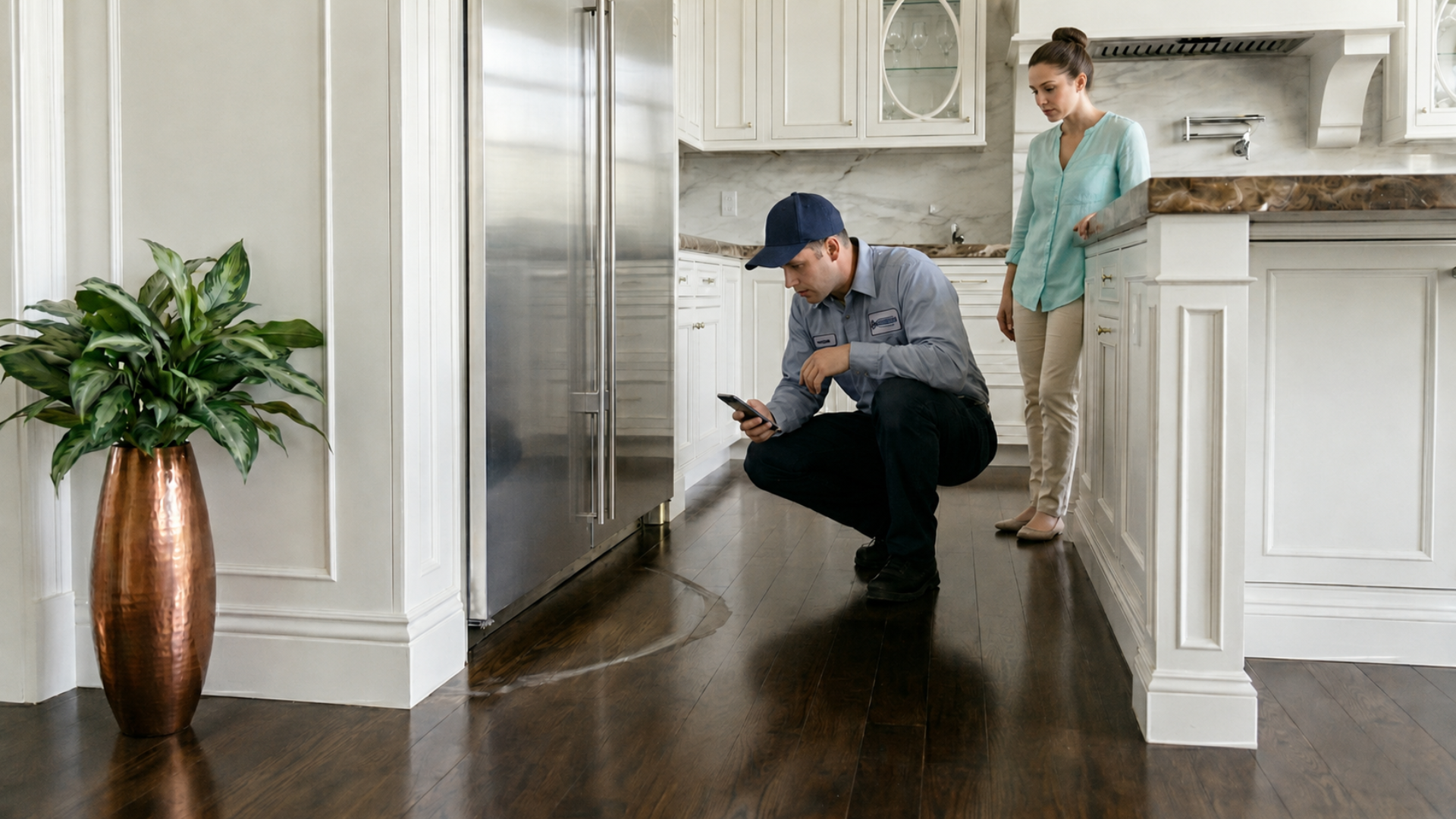
By now the food and mold clocks have largely played out, and the focus shifts to safe restoration. Anything that got wet — and every gas appliance in a flooded kitchen — should be inspected before it is powered or lit. Per FEMA, CPSC, and Cooperative Extension guidance, submerged electrical controls, motors, and gas valves should be replaced rather than reused. Gas appliances deserve special caution: do not attempt to light a flooded gas range until a technician has inspected the gas valves and controls, as covered in our guidance for a Wolf range after a Houston slab flood. When power returns, surge damage is its own category — a unit that won’t restart may have a fried control board rather than water damage. A documented professional inspection at this stage also gives your insurer the assessment they need, and a service plan keeps that history on file.
Frequently asked questions
How long does food stay safe in the refrigerator after the power goes out?
Per USDA guidance, a refrigerator keeps food safe for about 4 hours if the door stays closed, and a full freezer holds for about 48 hours (24 hours if half full). After those windows, discard perishable items like meat, poultry, fish, eggs, and leftovers. When in doubt, throw it out — and never taste food to judge its safety.
How quickly can mold grow on wet materials after a storm?
The EPA states that mold will, in most cases, not grow if wet or damp materials are dried within 24 to 48 hours. After that window the risk rises sharply, especially in humid Texas conditions, which is why drying out a flooded kitchen quickly is one of the highest-priority post-storm tasks.
Can I just plug my appliances back in once the power is on?
Only if they did not get wet. Any appliance touched by floodwater must be inspected by a qualified technician before it is restored to power, because wet electrical components can cause shock or fire. Gas appliances also need their valves and controls checked before they are lit.
What’s the difference between flood damage and power-surge damage to an appliance?
Flood damage involves water reaching electrical components, motors, or insulation, and often requires replacing submerged parts or the whole unit. Surge damage happens when the grid restores and a voltage spike destroys electronics — most often a control board — without any water involved. They call for different inspections and different repairs.
The bottom line
The 72 hours after a Texas storm run on three clocks — food, mold, and safe restoration — and working them in order is what separates a clean recovery from compounding damage. Keep doors closed, don’t power up anything that got wet, dry the kitchen fast, and bring in a professional before gas or flooded appliances go back into service. Uptown’s factory-certified technicians run documented post-storm inspections across Houston and Dallas, backed by a 2-year parts-and-labor warranty.
Bobby Fierro is the founder of Uptown Appliance Repair, a factory-certified luxury appliance service company operating in Houston and Dallas since 2012.
Sources
- USDA Food Safety and Inspection Service, “Keep Your Food Safe During Emergencies”: https://www.fsis.usda.gov/food-safety/safe-food-handling-and-preparation/emergencies/keep-your-food-safe-during-emergencies?utm_source=uptownappliancerepair.com&utm_medium=referral&utm_campaign=72-hour-post-storm-appliance-inspection-texas
- U.S. EPA, “A Brief Guide to Mold, Moisture, and Your Home”: https://www.epa.gov/mold/brief-guide-mold-moisture-and-your-home?utm_source=uptownappliancerepair.com&utm_medium=referral&utm_campaign=72-hour-post-storm-appliance-inspection-texas
- NC State Extension, “How to Salvage Flood-Damaged Appliances”: https://content.ces.ncsu.edu/how-to-salvage-flood-damaged-appliances?utm_source=uptownappliancerepair.com&utm_medium=referral&utm_campaign=72-hour-post-storm-appliance-inspection-texas